Learning Content Modernization
Overview
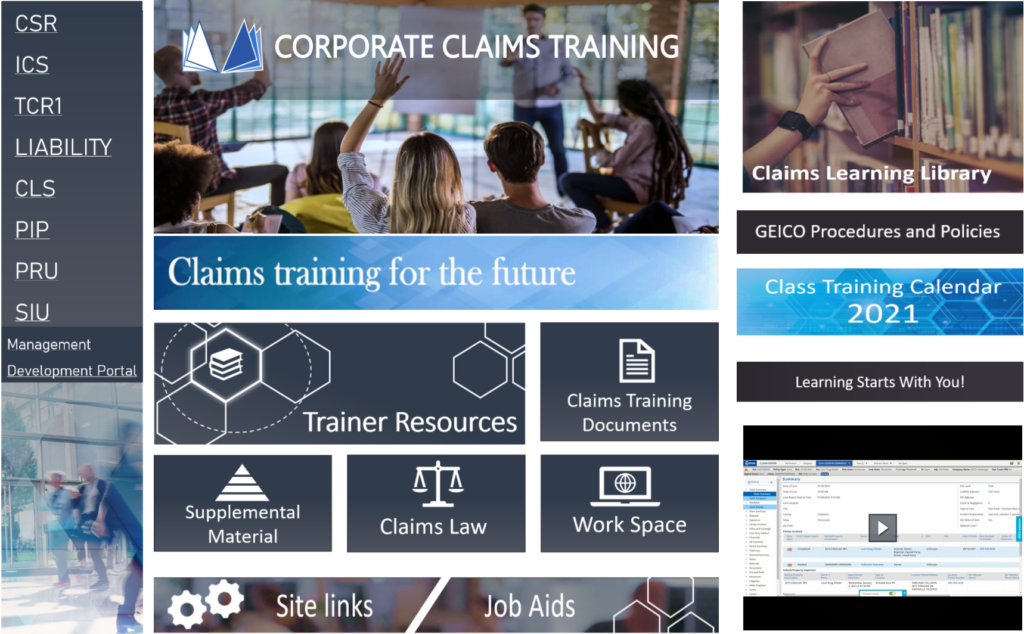
As part of a broader learning modernization effort, legacy training content housed within SharePoint pages, Flash-based interactions, and aging multimedia formats was transformed into modern, scalable learning experiences using Articulate Rise and Storyline.
The initiative improved learner engagement, enhanced content accessibility, simplified maintenance, and established a sustainable framework for future learning development and delivery.
Business Challenge
Over time, training materials had been developed across multiple platforms and technologies, resulting in an inconsistent learner experience and increasing maintenance challenges.
Many resources existed as:
- SharePoint pages with large amounts of text
- Legacy Flash-based interactions
- Standalone multimedia files
- Regionally maintained resources
- Training materials with limited interactivity
As technology evolved, several learning assets became difficult to maintain or were approaching obsolescence due to browser and platform changes.
Additionally, training content owners needed a more scalable solution that would allow learning materials to be updated, distributed, and maintained more efficiently.
Project Goals
- Modernize legacy learning content
- Improve learner engagement
- Increase accessibility and usability
- Create consistent learner experiences
- Replace unsupported Flash-based learning assets
- Establish scalable publishing processes
- Support long-term content maintenance and governance
Audience
The initiative supported:
- Claims Associates
- Claims Supervisors
- Regional Trainers
- Training & Education Teams
- Operations Leadership
Content was utilized by both new hires and experienced associates across multiple claims handling disciplines.
Learning & Design Strategy
The project focused on more than simply converting content from one format to another.
Each learning asset was evaluated to determine how modern learning design principles could improve the learner experience.
Learner-Centered Design
Content was restructured to improve readability, navigation, and learner engagement.
Microlearning Principles
Long-form content was segmented into smaller, more digestible learning experiences that better supported retention and performance.
Multimedia Learning
Visual elements, interactions, knowledge checks, and media were used strategically to increase engagement and reinforce key concepts.
Accessibility & Scalability
New learning assets were designed to support future updates while providing a more consistent user experience across devices and platforms.
Solution
Content Analysis & Evaluation
Existing SharePoint training pages, Flash assets, and multimedia resources were reviewed to identify opportunities for modernization.
Content was categorized according to:
- Business value
- Usage frequency
- Maintenance requirements
- Learner impact
- Technical limitations
Rise Course Development
Traditional SharePoint-based learning content was redesigned as responsive Rise courses.
Benefits included:
- Improved visual presentation
- Consistent navigation
- Mobile-friendly experiences
- Easier maintenance
- Enhanced learner engagement
Storyline Conversion & Enhancement
Legacy Flash interactions and gamified learning activities were rebuilt using Articulate Storyline.
Rather than simply replicating existing content, opportunities were identified to improve interactions and create more engaging learner experiences.
Publishing & Distribution Standards
New publishing processes were established to support content deployment and maintenance.
This included:
- Exporting learning packages
- Uploading content to enterprise media platforms
- Managing URL structures
- Supporting trainers and content owners during implementation
Stakeholder Adoption
Training and Education teams were introduced to the new development environment and publishing process.
Demonstrations highlighted:
- Improvements in learner experience
- Maintenance advantages
- Publishing workflows
- Future content development opportunities
Design Decisions
Several key decisions influenced the success of the initiative.
Modernize Rather Than Replicate
Content was evaluated and improved during migration rather than simply copied into a new platform.
Prioritize Maintainability
The chosen solutions reduced technical debt and simplified future updates.
Support Content Ownership
Publishing standards and workflows were documented to enable long-term sustainability.
Improve User Experience
Navigation, visual hierarchy, and interaction design were enhanced to better support learning and performance.
Results
The Learning Content Modernization Initiative successfully transformed legacy training resources into scalable, modern learning experiences.
Outcomes included:
- Migration of legacy SharePoint learning content into Articulate Rise
- Replacement of Flash-based learning assets with Storyline interactions
- Improved learner engagement and accessibility
- Standardized publishing and maintenance processes
- Increased scalability for future content development
- Reduced dependency on aging technologies
The project established a sustainable learning ecosystem that better supported learners, content owners, and future organizational learning initiatives.